Sons of Liberty Radio, August 21, 2026
Sons of Liberty RadioAugust 21, 2026
About This Episode
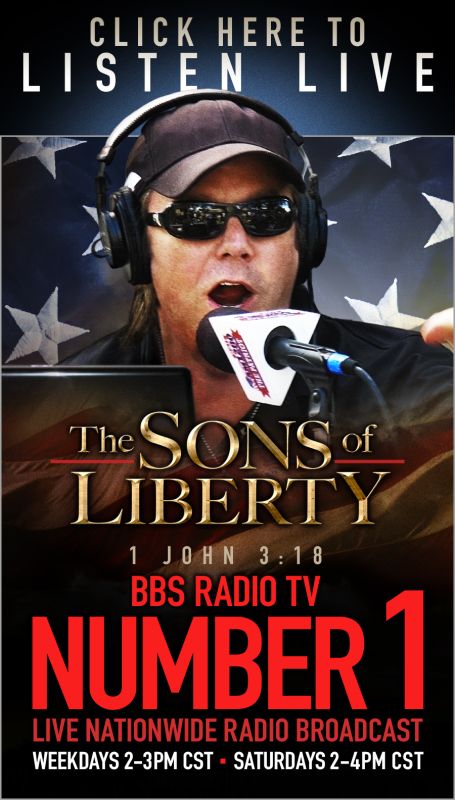
SONS of LIBERTY Radio with Bradlee Dean
Sheriff Dar Leaf Joins Bradlee Dean - Going After The Secretary Of State
Voter Rolls Under Fire: Sheriff Dar Leaf on Michigan Election Integrity and Constitutional Interposition
Summary
Election Integrity Frames the Episode
The episode opens with prerecorded commentary asserting that voter fraud has affected elections and arguing that voter-identification requirements are a legitimate safeguard. The montage cites cases and numerical claims from Indiana, Texas, Minnesota, and Pennsylvania, and it includes criticism of media coverage, the Department of Justice, and organizations that challenged voter-ID laws. Bradlee Dean then introduces the program and directs listeners to material he says documents voter-fraud prosecutions across the states. He previews an interview with Michigan Sheriff Dar Leaf concerning a whistleblower and an alleged problem involving noncitizens and voter-registration records. All such allegations and figures are presented in the episode as claims by the speakers and prerecorded material, not as independently verified findings.
Religious and Political Commentary Before the Interview
Before Sheriff Leaf joins, Dean moves through abortion, immigration, elected officials, and what he describes as governmental lawlessness. He criticizes political figures in Massachusetts and New Jersey and frames abortion policy through a strongly stated Christian biblical worldview. Dean repeatedly argues that citizens share responsibility when they tolerate conduct he considers unlawful, and he uses numerous Scripture references to support that position. He also discusses the Minnesota State Fair, listener-supported membership levels, and a previous discussion with Ron Bransner about what Dean calls a United Nations agenda. Several promotional segments for Christian media, the program, affiliated news outlets, church services, and live events are retained as they appear in the source.
Sheriff Dar Leaf Describes the Whistleblower Account
Sheriff Dar Leaf says a whistleblower working in a Michigan Secretary of State office brought him information about a customer interaction involving citizenship status, permanent-residency documentation, a driver’s-license update, and a voter-ID number generated by the computer system. Leaf characterizes the matter as a possible software or state-system error and says he does not know how broad the problem may be or whether the same software is used elsewhere. Dean responds by linking Leaf’s account to his broader allegations about election machines, voter fraud, secretaries of state, and officials he believes have been installed rather than legitimately elected. Leaf says he tries to keep his own investigation focused on matters brought to his office and notes that other material has been handed to federal authorities. A small portion of Leaf’s explanation about a registration notice is too garbled in the source to reconstruct and is explicitly marked as unresolved in the cleaned transcript.
Speedy Trials, Courts, and the Legal Profession
The conversation turns to the pace of investigations and prosecutions, with Dean asking why alleged wrongdoing can take so long to reach judgment. Leaf responds by warning about waiving the right to a speedy trial and cites the Bundy cases as an example of defendants spending extensive time in jail before trial. After a commercial break, Dean raises a listener question about courts and attorneys, arguing that legal institutions can frustrate efforts to hold officials accountable. Leaf says a very small percentage of the population consists of attorneys while the legal profession exercises substantial influence over public life. He advocates restoring more common-law and common-sense participation in local judicial functions, using Barry County magistrates and search-warrant review as his example.
Interposition and the Role of an Elected Sheriff
A central part of the interview concerns what Leaf calls interposition and its relationship to the doctrine of the lesser magistrates. Leaf explains that, because a sheriff is independently elected and represents the people of the county, he believes the office can stand between higher government officials and citizens when higher authorities exceed their lawful power. He uses the COVID period and Michigan executive orders as his main example, saying he told the public that the governor was not a king and that local elected offices existed in part to prevent power from being concentrated. Dean connects this argument to Michigan court rulings involving Governor Gretchen Whitmer and criticizes residents who continued following directives he says had been declared unconstitutional. Leaf says his response was primarily to educate the public about divided authority and the duty of government to protect rights.
Backlash, Civic Education, and the Closing Message
Leaf says his public stance during the COVID period brought social-media attacks, death threats, anonymous letters, and hostile calls, although he recounts one mask-related exchange humorously. He describes himself as a public servant rather than a ruler and says he works for the people of his county. Near the end of the interview, Leaf urges listeners and elected officials to become educated about the powers and limits of public office, take a stand, and pass that knowledge to successors. He states that he is in his sixth term and expects to complete 24 years in office by the end of it. Dean closes by thanking Leaf for taking action, urging listeners to do their own research, and repeating his broader call to hold officials and media institutions accountable.