Sons of Liberty Radio, August 23, 2026
Sons of Liberty RadioAugust 23, 2026
About This Episode
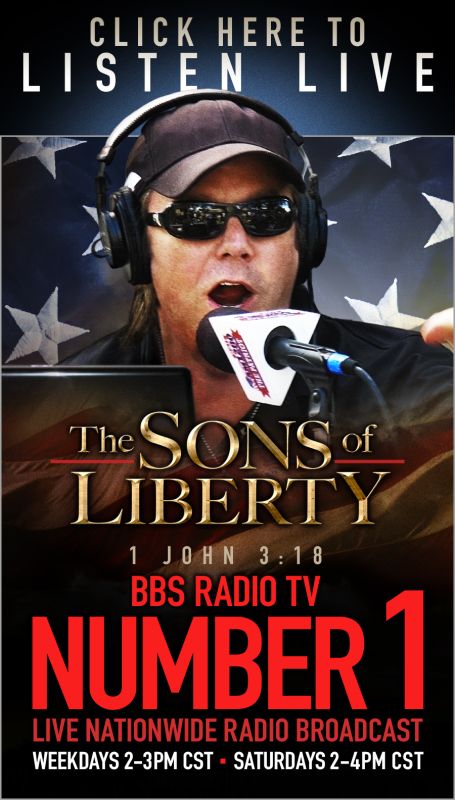
SONS of LIBERTY Radio with Bradlee Dean
Strange Fire: What Does The Bible Say About The Music You Listen To?
Strange Fire and the Soundtrack of the Soul: A Biblical Challenge to Music, Worship, and Influence
Summary
Strange Fire as the Central Metaphor
The episode builds its main argument around the biblical account of Nadab and Abihu and the idea of 'strange fire.' Bradley presents their unauthorized offering as a warning against worship that mixes devotion to God with practices he views as worldly or profane. He repeatedly connects holiness, obedience, and separation from worldly influence to the music Christians hear and use in worship. The sermon argues that worship is not merely a matter of taste or style but a spiritual act that should be governed by Scripture. The host uses the account as a framework for evaluating both secular music and what he considers compromised Christian music. Throughout the program, he urges listeners to examine whether their habits reflect the faith they profess.
Music as a Force of Influence
A major theme is the host's conviction that music shapes thought, emotion, behavior, and culture. He cites musicians, music-industry figures, magazine interviews, and anecdotes to argue that artists and media companies deliberately use music to influence audiences. He also uses a baseball riddle as an example of how framing can guide a listener's assumptions. The program discusses repeated exposure to popular songs, the emotional power of music in stores and sporting events, and the effect of lyrics on young listeners. Bradley contrasts this with classical and worship music, which he presents as examples of music that can influence people in a different direction. His broader claim is that listeners should treat musical influence as spiritually and morally significant.
Holiness, Conversion, and Christian Consistency
Bradley repeatedly argues that genuine Christian conversion should produce visible changes in speech, conduct, entertainment choices, and relationships. He references passages about being separate from the world, bridling the tongue, renewing the mind, and bringing forth fruits of repentance. He criticizes what he calls 'carnal Christianity' and says that Christian profession without transformed conduct is hypocrisy. Personal ministry stories are used to illustrate his belief that praise-and-worship leaders must live consistently with the holiness they publicly represent. He applies the same standard to well-known entertainers who publicly identify as Christians while continuing to work in entertainment he considers contrary to biblical teaching. The program frames obedience as evidence of faith rather than a merely outward religious performance.
Popular Culture and Moral Critique
The sermon moves through a long series of examples from rock, rap, pop, country music, film, television, professional sports, and celebrity culture. Bradley names numerous public figures and interprets their lyrics, public statements, performances, and lifestyles as evidence of broader cultural decline. He also discusses homosexuality, drug use, sexual content, violence, abortion, media influence, politics, and public education using strongly condemnatory religious language. These claims and judgments are presented in the transcript as Bradley's views and biblical interpretations, not as independently established facts. He repeatedly tells listeners to examine what they consume through their 'eye gate' and 'ear gate.' The central through-line remains his warning that repeated exposure can normalize beliefs and behavior that conflict with his reading of Scripture.
Responsibility of Parents, Churches, and Listeners
The host places responsibility not only on artists and entertainment companies but also on consumers, parents, pastors, and churches. He argues that the music industry survives because people buy the music, attend concerts, wear merchandise, and allow the messages into their homes. Parents are urged to pay closer attention to the media their children consume and to spend more direct time with them. Churches are challenged to reject compromise, evaluate those who lead worship, preach against sin, and disciple believers rather than create passive spectators. Bradley repeatedly says the audience must stop blaming outside forces while continuing to support the systems they criticize. In his view, cultural change begins with personal repentance, biblical obedience, and refusing to finance or celebrate messages that contradict one's faith.
Closing Appeal, Ministry Work, and Support
Near the end, Bradley returns to the themes of repentance, regeneration, and the power of the Holy Ghost, then shifts into ministry announcements. He promotes a new 'Bought with a Price' shirt, other ministry products, book packages, memberships, and donation options. He announces the ministry's planned presence at the Minnesota State Fair and invites listeners to visit the booth and consider booking future events. He thanks supporters and argues that wider participation would allow the ministry to expand its outreach, including possible television work. The closing prayer asks God to seal the message and cause listeners to place their faith in spiritual power rather than human wisdom. The supplied recording transcript then cuts off before the prayer's final sentence is completed.